Understanding Land Capability Assessment in Bass Coast, Australia: Costs and Benefits
Land Capability Assessment (LCA) is a critical process for evaluating the suitability of land for various land uses and development activities. In Bass Coast, Australia, where the landscape is diverse and environmentally sensitive, conducting an LCA is essential for informed decision-making and sustainable land management. As a trusted provider of LCA services in Victoria, Land Capability Assessment Victoria is dedicated to helping landowners, developers, and government agencies assess the land’s capability and make informed decisions about land use planning and development. In this blog post, we’ll explore the importance of LCA in Bass Coast, the factors influencing LCA costs, and the benefits of partnering with Land Capability Assessment Victoria for your LCA needs.
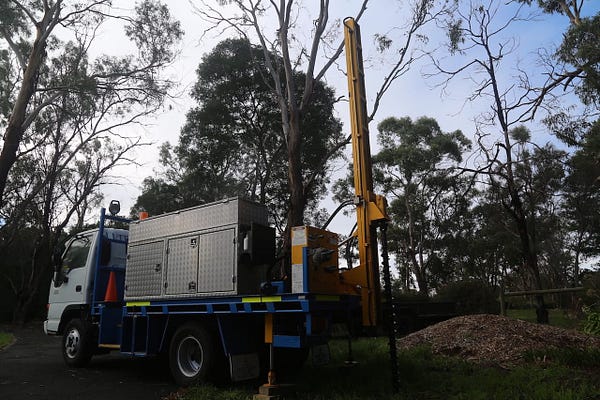
Importance of Land Capability Assessment in Bass Coast
1. Environmental Protection: Bass Coast is home to diverse ecosystems, including coastal habitats, wetlands, and native forests, which are vulnerable to degradation and loss due to inappropriate land use practices. LCA helps identify environmentally sensitive areas and assess the potential impacts of development activities on soil, water quality, flora, and fauna, ensuring that land development is carried out in a sustainable and environmentally responsible manner.
2. Sustainable Land Management: By evaluating the land’s capability for various land uses, LCA helps landowners and planners make informed decisions about land management practices, zoning regulations, and development controls. LCA considers factors such as soil suitability, slope stability, drainage characteristics, and groundwater quality, providing valuable insights into the land’s capacity to support different uses such as agriculture, residential development, and infrastructure projects.
3. Risk Mitigation: LCA plays a crucial role in identifying potential hazards and risks associated with land development, such as soil erosion, flooding, land subsidence, and contamination. By assessing these risks upfront, LCA helps stakeholders develop risk mitigation strategies, implement appropriate land management measures, and minimize the likelihood of adverse impacts on human health, property, and the environment.
Factors Influencing LCA Costs
1. Site Complexity: The complexity of the site, including its size, topography, soil characteristics, and environmental sensitivity, can significantly influence Land Capability Assessment Cost. Sites with challenging terrain, extensive vegetation cover, or complex geological conditions may require more extensive field investigations, laboratory testing, and specialized expertise, leading to higher costs.
2. Scope of Work: The scope of work involved in an LCA can vary depending on the project’s objectives, regulatory requirements, and stakeholder preferences. Assessing multiple land uses, conducting detailed site investigations, and preparing comprehensive reports may increase the overall cost of the LCA.
3. Regulatory Requirements: Regulatory requirements imposed by local councils, government agencies, or planning authorities may affect LCA costs. Compliance with specific guidelines, standards, or assessment criteria may require additional time, resources, and documentation, contributing to higher costs for LCA services.
Benefits of Partnering with Land Capability Assessment Victoria
1. Expertise and Experience: Land Capability Assessment Victoria brings years of experience and expertise in soil science, hydrology, ecology, and land use planning to every LCA project. Our team of qualified professionals has a deep understanding of the local landscape and regulatory framework, ensuring that LCA studies are conducted accurately, comprehensively, and in compliance with relevant standards and guidelines.
2. Customized Solutions: We offer customized LCA solutions tailored to the unique needs and objectives of each client. Whether you’re a landowner, developer, or government agency, we work closely with you to develop LCA strategies that address your specific requirements, budget constraints, and project timelines.
3. Comprehensive Reports: Our LCA reports provide clear, concise, and actionable information to support decision-making and planning processes. We present our findings and recommendations in a format that is easy to understand and communicate, empowering our clients to make informed decisions about land use, development, and environmental management.
Conclusion
Land Capability Assesment Bass Coast is a crucial tool for evaluating land suitability, mitigating risks, and promoting sustainable land management in Bass Coast, Australia. By conducting an LCA, landowners, developers, and government agencies can assess the land’s capability, identify environmental constraints, and make informed decisions about land use planning and development. With the expertise and support of Land Capability Assessment Victoria, clients can navigate the LCA process effectively, minimize costs, and achieve their land management objectives while protecting the environment for future generations.


Comments
Post a Comment